
Metal and Steel Fabrication: Processes, Benefits, and Applications
Metal and steel fabrication are at the heart of modern manufacturing, construction, and engineering. From bridges and skyscrapers to machinery components and industrial equipment, fabrication transforms raw materials into durable, functional, and precise products. In this comprehensive guide, we’ll explore every aspect of fabrication, including what it is, processes, steel fabrication techniques, common mistakes, and practical advice for choosing the right service.
What Is Fabrication?
Fabrication is the process of creating finished products from raw materials through cutting, shaping, and assembling. While it can involve plastics, wood, or composites, fabrication is most commonly associated with metals because of their strength and versatility.
In simple terms, fabrication turns raw materials into functional, precise, and durable components. It ensures every piece meets design, safety, and operational requirements. Fabrication is essential across industries, from automotive and aerospace to architecture and industrial manufacturing.
Metal Fabrication

Metal fabrication is the practice of shaping raw metal into finished components. This process requires a combination of skilled craftsmanship and advanced machinery.
Key Steps in Metal Fabrication
-
Design and Planning
Every project begins with a detailed design, usually created with CAD (Computer-Aided Design) software. This stage ensures that all parts fit together accurately and meet engineering specifications. -
Cutting
Once the design is approved, the raw metal is cut into the required shapes. Common cutting methods include:-
Laser cutting: Highly precise for intricate designs.
-
Plasma cutting: Efficient for thicker metal sheets.
-
Waterjet cutting: Heat-free cutting for materials prone to warping.
-
Mechanical cutting: Traditional saws and shears for simpler shapes.
-
-
Forming and Shaping
After cutting, metal components are shaped through bending, rolling, stamping, or forging. Proper forming ensures structural integrity and compliance with design specifications. -
Joining and Assembly
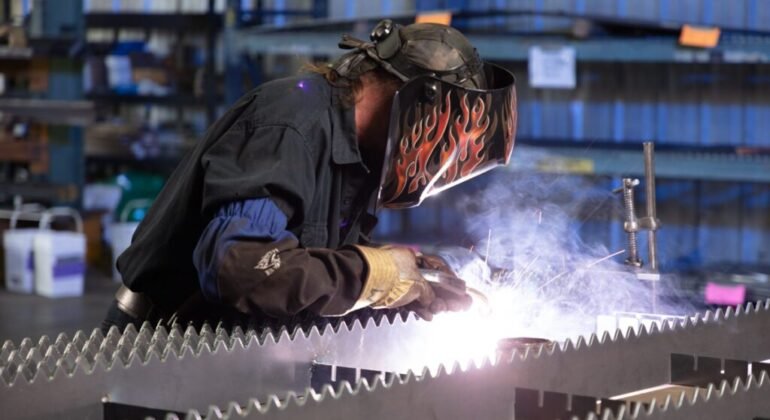
Fabricated pieces are connected using welding, riveting, or bolting. Welding is common in steel fabrication because it produces strong, durable joints. -
Finishing
Final finishing improves durability and aesthetics. Methods include grinding, polishing, painting, or powder coating. Finishing also protects against corrosion, extending the life of the product.
Understanding Steel Fabrication
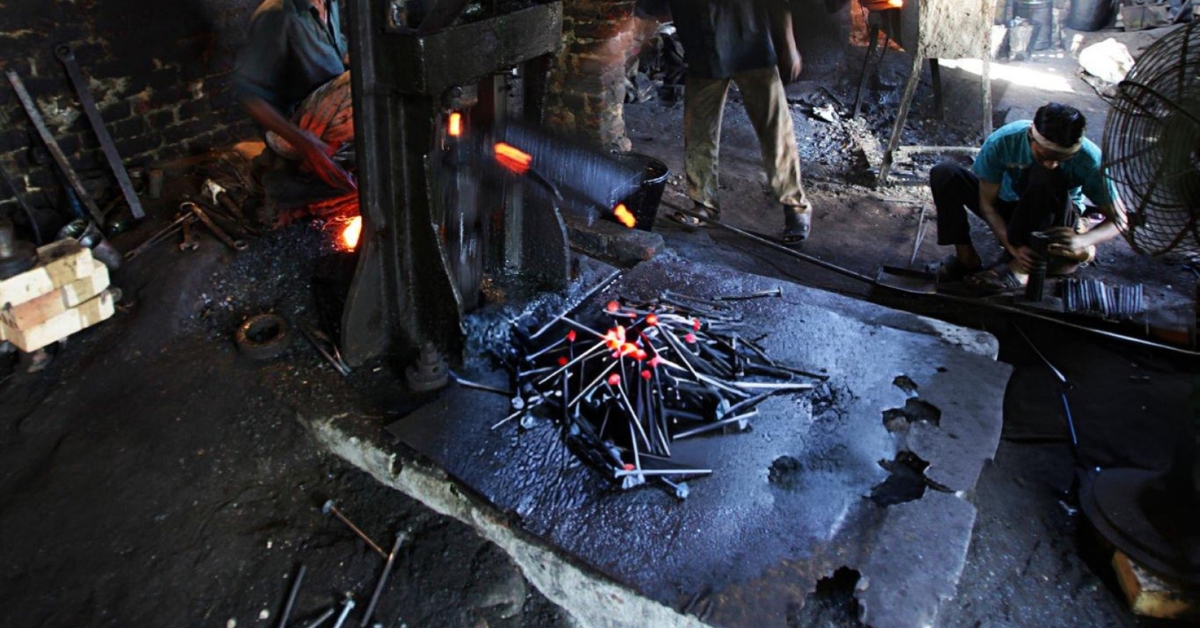
Steel fabrication is a specialized type of metal fabrication that focuses on creating components and structures from steel. Steel is preferred for its strength, durability, and resistance to wear, making it ideal for structural and industrial applications.
Steel fabrication involves the same steps as general metal fabrication but requires specialized tools due to the material’s hardness and weight. Precision is critical because even minor errors can compromise safety or performance.
Benefits of Steel Fabrication
-
Exceptional Strength: Steel supports heavy loads, making it ideal for buildings, bridges, and machinery.
-
Versatility: Steel can be cut, welded, and shaped to create complex components.
-
Durability: Resistant to wear and environmental stress, steel lasts longer than many other materials.
-
Eco-Friendly: Steel is highly recyclable, reducing environmental impact.
Applications of Metal and Steel Fabrication
Fabricated metal and steel components are used across numerous industries:
-
Construction: Structural steel beams, columns, and frameworks form the backbone of modern architecture.
-
Automotive: Steel is used in car frames, chassis, engine parts, and more.
-
Aerospace: Aircraft components require precise, high-strength steel fabrication.
-
Shipbuilding: Durable steel sections are used for hulls, decks, and superstructures.
-
Industrial Machinery: Machines, tools, and equipment rely on fabricated steel for longevity and reliability.
Case Study: Construction of a Steel Bridge
A recent project involved fabricating steel sections for a highway bridge. Engineers used precision laser cutting for each beam, followed by welding and assembly on-site. Protective coatings were applied to prevent corrosion. The result was a durable, long-lasting structure that met safety and design standards—demonstrating how steel fabrication ensures structural integrity in critical projects.
Popular Fabrication Techniques
Fabricators use a variety of methods depending on project requirements:
-
Laser Cutting: Uses a concentrated laser beam for precise cuts, ideal for detailed shapes.
-
Plasma Cutting: Uses ionized gas to cut thick metal quickly, suitable for heavy-duty projects.
-
Waterjet Cutting: High-pressure water and abrasives cut metal without heat, preventing distortion.
-
Welding: Joins metal pieces through melting and fusion. Common types include MIG, TIG, and stick welding.
-
CNC Machining: Computer-controlled machines shape metal with high accuracy, perfect for complex components.
Choosing a Fabrication Service

Selecting the right fabrication service is essential to ensure quality, safety, and efficiency:
-
Experience: Look for fabricators with a proven track record in steel and metal fabrication.
-
Equipment: Modern machinery ensures precise and consistent results.
-
Quality Assurance: Certifications like ISO 9001 indicate adherence to high standards.
-
Customization Capabilities: For projects requiring intricate designs, ensure the fabricator has expertise in custom fabrication.
At Reliable Service, we combine skilled craftsmanship with advanced machinery to deliver precise and reliable metal and steel fabrication solutions tailored to client needs.
Common Fabrication Mistakes to Avoid
Even experienced fabricators can make mistakes. Here are some common pitfalls:
-
Incorrect Measurements: Even small errors in measurement can result in parts that don’t fit.
-
Poor Welding Quality: Weak or inconsistent welds can compromise structural integrity.
-
Ignoring Material Properties: Different steels behave differently under heat and stress; selecting the wrong type can lead to failure.
-
Improper Finishing: Skipping protective coatings can accelerate corrosion.
-
Rushing the Process: Fabrication requires precision; rushing can lead to costly errors.
Avoiding these mistakes ensures safety, durability, and efficiency in every project.
Types of Steel Used in Fabrication
Different projects require different types of steel. Understanding the options helps in selecting the right material:
-
Carbon Steel: Strong and affordable, ideal for construction and industrial machinery.
-
Stainless Steel: Resistant to corrosion, commonly used in food processing, medical equipment, and outdoor structures.
-
Alloy Steel: Contains additional elements like chromium or nickel for enhanced strength and durability.
-
Tool Steel: Designed for high-wear applications, such as cutting tools and molds.
Choosing the correct steel type ensures performance, safety, and longevity of the fabricated product.
Advancements in the Fabrication Industry
The metal fabrication industry continues to innovate:
-
Automation: Robotic welding and cutting systems improve speed and consistency.
-
3D Metal Printing: Enables creation of complex components with minimal material waste.
-
Advanced Coatings: Modern treatments enhance corrosion resistance and product life.
-
Sustainable Practices: Recycled steel and energy-efficient methods reduce environmental impact.
Maintenance Tips for Fabricated Steel Products
Proper maintenance maximizes the lifespan of fabricated steel:
-
Regular Inspections: Look for signs of rust, wear, or loose connections.
-
Cleaning: Remove debris and moisture to prevent corrosion.
-
Protective Coatings: Paints or powder coatings extend the life of the steel.
-
Professional Repairs: Address damage immediately to maintain safety and performance.
Final Thoughts
Metal and steel fabrication are essential to modern industry, transforming raw materials into reliable, durable, and precise products. From construction and automotive to aerospace and industrial machinery, fabrication ensures safety, efficiency, and longevity.
Partnering with experienced professionals like Reliable Service guarantees your projects are executed with accuracy, quality, and durability. Investing in skilled steel fabrication work provides peace of mind, structural integrity, and long-lasting performance.
Whether you’re constructing buildings, designing machinery, or creating custom components, understanding fabrication processes and selecting the right materials ensures success. With innovation, expertise, and proper maintenance, fabricated metal products will continue to play a vital role in industry for decades to come.
FAQ’s About Metal and Steel Fabrication
Q1: What is the difference between metal and steel fabrication?
A: Steel fabrication is a type of metal fabrication that specifically focuses on steel. Other metals like aluminum or copper have different properties and require unique techniques.
Q2: How long does steel fabrication take?
A: Duration depends on the complexity of the project, size of components, and finishing requirements. Simple parts may take hours, while large structures can take weeks or months.
Q3: Can fabrication be customized?
A: Yes, custom fabrication is common for unique designs, industrial machinery, architectural elements, and artistic projects.
Q4: Why is finishing important in fabrication?
A: Finishing protects the metal from corrosion, improves appearance, and extends product longevity.
Q5: How do I choose a reliable fabrication service?
A: Look for experience, modern equipment, quality certifications, and the ability to handle custom projects.